التماريننمط حياة صحية

العلاقة بين تمارين السكوات وتكبير المؤخرة

مُقدمة

إن السكوات هو تمرين شائع على نطاق واسع معروف بفعاليته في استهداف الجزء السفلي من الجسم، وخاصة المؤخرة. يطمح العديد من الأشخاص، وخاصة النساء، إلى الحصول على مؤخرة مشدودة وأكثر استدارة. ومع ذلك، غالباً ما يكون هناك ارتباك ومفاهيم خاطئة بشأن ما إذا كانت السكوات وحدها قادرة على أن تجعل المؤخرة تبدو أكبر. في هذه المقالة، سوف نتعمق في العلم وراء السكوات وتأثيرها على تطور الأرداف. سوف نستكشف دور الجينات ونمو العضلات والعوامل الأخرى التي تساهم في تشكيل المؤخرة، ومن خلال فهم الحقيقة وراء السكوات وتأثيراتها، يمكنك اتخاذ قرارات واعية بشأن روتين لياقتكِ وأهدافكِ.


العضلات والعوامل الأخرى التي تساهم في تشكيل المؤخرة

أولاً: تشريح عضلات الأرداف

قبل الغوص في العلاقة بين السكوات وتطور الأرداف، من الضروري فهم تشريح عضلات الأرداف، فهي تتكون من ثلاث عضلات رئيسية: العضلة الألوية الكُبرى، والعضلة الألوية الوُسطى، والعضلة الألوية الصُغرى. وتلعب العضلة الألوية الكُبرى، باعتبارها أكبر عضلة، دوراً مهماً في تشكيل الأرداف وتوليد الطاقة أثناء حركات الجزء السفلي من الجسم.

ثانياً: دور السكوات في تطوير الأرداف

في حين أن السكوات عبارة عن تمرين مركب يُحرّك مجموعات عضلية مُتعدّدة، بما في ذلك عضلات الفخذ وأوتار الركبة والجذع، إلا أنها غالباً ما يُرحّب بها باعتبارها واحدة من أفضل التمارين لاستهداف عضلات المؤخرة. يتضمن تمرين السكوات استطالة الورك والركبة، مما يتطلب عمل المؤخرة بشكل ديناميكي لتحقيق الاستقرار وتوليد القوة.

وبالرغم من ذلك، من الضروري أن نفهم أن تأثيرات السكوات على نمو المُؤخرة يمكن أن تختلف اعتماداً على عدة عوامل، بما في ذلك العوامل الوراثية وشدة التمرين وحجمه وشكله. كما تلعب الوراثة دوراً مهماً في تحديد شكل وحجم عضلات الأرداف. قد يكون لدى بعض الأشخاص عضلات أرداف بارزة بشكل طبيعي، بينما قد يحتاج البعض الآخر إلى مزيد من التمرين الذي يستهدف هذه المنطقة لتحقيق النتائج المرجوّة.

لزيادة تنشيط عضلات الأرداف أثناء السكوات للحد الأعلى، من الضروري التركيز على الشكل المُناسب للتمرين، حيث يُمكن أن يُساعد بدء الحركة من الوركين، والحفاظ على عمود فقري مستقيم، وتحقيق عمق كافي في استهداف الأرداف بشكل فعال. بالإضافة إلى ذلك، يمكن أن تُوفر مُمارسة أشكال مُختلفة من السكوات، مثل سكوات السومو أو السكوات البلغارية أو دفعات الورك مع استخدام الأثقال الحديدية حافزاً إضافياً للأرداف.

ثالثاً: نمو وتضخيم العضلات

لفهم ما إذا كان يمكن للسكوات أن تجعل المؤخرة تبدو أكبر، من الضروري فهم نمو العضلات وتضخمها، تتضمن عملية بناء العضلات عملية تضخيم، حيث تتكيف ألياف العضلات وتزداد في الحجم بسبب الثقل الزائد تدريجياً والتعافي الكافي.

بينما يمكن أن تساهم القرفصاء في تضخم الألوية ، من المهم ملاحظة أن نمو العضلات عملية معقدة تتأثر بعوامل مختلفة. لبناء عضلات أرداف أكبر بشكل فعّال، فإن الجمع بين تمارين المُقاومة المستهدفة والتغذية السليمة والتعافي السليم أمر بالغ الأهمية. يعد الثقل الزائد التدريجي، الذي يتحقق عن طريق زيادة حجم التدريب أو شدته أو مقاومته تدريجياً أمراً ضرورياً لتحفيز نمو العضلات.

رابعاً: التغذية وتكوين الجسم

للحصول على مؤخرة أكبر، من الضروري مراعاة التغذية والتكوين العام للجسم، حيث يتطلب بناء العضلات تناول كمية كافية من البروتين لدعم إصلاح العضلات ونموها. بالإضافة إلى ذلك ، فإن الحفاظ على فائض من السعرات الحرارية (استهلاك سعرات حرارية أكثر مما تحرق) يمكن أن يوفر الطاقة اللازمة لتنمية العضلات.

ومع ذلك، من المهم أن نتذكر أن تكوين الجسم هو مزيج من كتلة العضلات ودهون الجسم، وفي حين أن السكوات يُمكن أن تُساعد في بناء العضلات في الأرداف، فإن تقليل الدهون الكلية في الجسم من خلال اتباع نظام غذائي متوازن وممارسة تمارين القلب والأوعية الدموية بانتظام قد يكون ضرورياً لتحقيق مظهر منحوت وأكثر تحديداً.

خامساً: أهمية اتباع نظام تمرين شامل

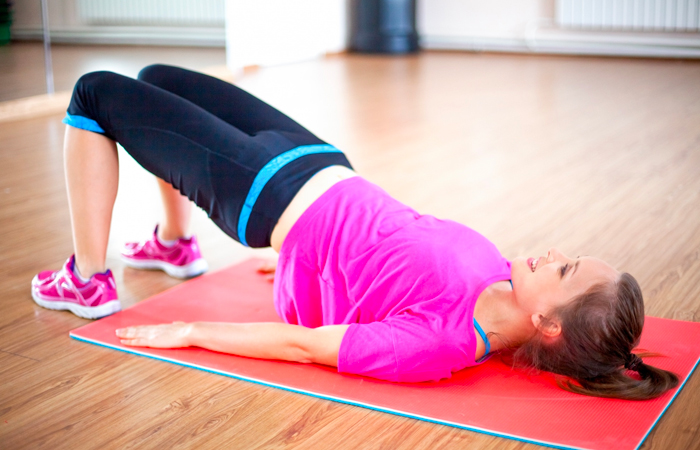
في حين أن السكوات يمكن أن تكون تمريناً قيماً لتطور المؤخرة، إلا أنه من الضروري دمج برنامج تمرين شامل يتضمن مجموعة متنوعة من التمارين التي تستهدف الجزء السفلي من الجسم. ويمكن أن توفر تمارين مثل الدفعات الأمامية، والستيبس والتجسير، والدفعات الوركية حافزاً إضافياً وتضمن التطور المتوازن للأرداف.


الخُلاصة

يمكن أن تكون السكوات تمريناً فعالاً لاستهداف الأرداف والمُساهمة في نمو عضلاتها. ومع ذلك، فإن تأثير السكوات على حجم ومظهر المؤخرة يتأثر بعوامل مختلفة، بما في ذلك العوامل الوراثية، وكثافة التمرين، وحجمه، والتكوين العام للجسم. من المهم التعامل مع تطور الأرداف بتوقعات واقعية واتباع برنامج تمرين شامل يتضمن مجموعة متنوعة من التمارين لاستهداف الأرداف بشكل فعال من زوايا مختلفة. من خلال فهم دور السكوات والنظر في العناصر الأخرى مثل التغذية والتكوين العام للجسم، يمكن للأشخاص العمل على تحقيق أهدافهم الجمالية المرجوة. تذكر أن بناء مؤخرة أكبر يتطلب المواظبة والصبر واتباع نهج شامل للّياقة البدنية.

لتحقيق أفضل النتائج في تمارين السكوات وتكبير المؤخرة، من المهم أن تكون مستعدًا بشكل جيد قبل التمرين. للحصول على نصائح حول كيفية الاستعداد بشكل صحيح، يمكنك الاطلاع على الاستعداد قبل التمرين: نصائح أساسية لجلسة تمرين ناجحة. كما يمكنك تجربة تمرين نط الحبل، الذي يقدم العديد من الفوائد للنساء. لمزيد من التفاصيل حول هذا التمرين، اقرأ عن فوائد تمرين نط الحبل للنساء – تمرين ممتع وفوائد لا تحصى.

Leave a Reply

Your email address will not be published. Required fields are marked *

Training

The Truth About Squats and Building a Bigger Butt

Squats are a widely popular exercise known for their effectiveness in targeting the lower body, particularly the glutes. Many individuals, especially women, aspire to achieve a rounder and more lifted posterior. However, there is often confusion and misconceptions regarding whether squats alone can make the butt look bigger. In this article, we will delve into the science behind squats and their impact on glute development. We will explore the role of genetics, muscle growth, and other factors that contribute to shaping the buttocks. By understanding the truth behind squats and their effects, you can make informed decisions about your fitness routine and goals.


The Anatomy of the Glutes

Before diving into the relationship between squats and glute development, it is essential to understand the anatomy of the gluteal muscles. The glutes consist of three main muscles: the gluteus maximus, gluteus medius, and gluteus minimus. The gluteus maximus, being the largest muscle, plays a significant role in shaping the buttocks and generating power during lower body movements.


The Role of Squats in Glute Development

While squats are a compound exercise that engages multiple muscle groups, including the quadriceps, hamstrings, and core, they are often hailed as one of the best exercises for targeting the glutes. Squats involve hip and knee extension, requiring the glutes to work dynamically to stabilize and generate force.


However, it is essential to understand that the effects of squats on glute development can vary depending on several factors, including genetics, training intensity, volume, and form. Genetics play a significant role in determining the shape and size of an individual’s glutes. Some people may naturally have more prominent gluteal muscles, while others may require more targeted training to achieve their desired results.


To maximize glute activation during squats, it is crucial to focus on proper form. Initiating the movement from the hips, maintaining a neutral spine, and achieving adequate depth can help target the glutes effectively. Additionally, incorporating variations of squats, such as sumo squats, Bulgarian split squats, or barbell hip thrusts, can provide additional stimulus to the glutes.


Muscle Growth and Hypertrophy

To understand whether squats can make the butt look bigger, it is essential to grasp the concept of muscle growth and hypertrophy. Building muscle involves the process of hypertrophy, wherein the muscle fibers adapt and increase in size due to progressive overload and adequate recovery.


While squats can contribute to glute hypertrophy, it is important to note that muscle growth is a complex process influenced by various factors. To effectively build bigger glutes, a combination of targeted resistance training, proper nutrition, and sufficient recovery is crucial. Progressive overload, achieved by gradually increasing the training volume, intensity, or resistance, is essential for stimulating muscle growth.


Nutrition and Body Composition

To achieve a bigger butt, it is necessary to consider nutrition and overall body composition. Building muscle requires adequate protein intake to support muscle repair and growth. Additionally, maintaining a caloric surplus (consuming more calories than you burn) can provide the necessary energy for muscle development.


However, it is important to remember that body composition is a combination of muscle mass and body fat. While squats can help build muscle in the glutes, reducing overall body fat through a balanced diet and regular cardiovascular exercise may be necessary to achieve a more defined and sculpted appearance.


The Importance of a Well-Rounded Training Program

While squats can be a valuable exercise for glute development, it is essential to incorporate a well-rounded training program that includes a variety of exercises targeting the lower body. Exercises like lunges, step-ups, glute bridges, and hip thrusts can provide additional stimulus and ensure balanced development of the glutes.


Conclusion

Squats can be an effective exercise for targeting the glutes and contributing to gluteal muscle growth. However, the impact of squats on the size and appearance of the butt is influenced by various factors, including genetics, training intensity, volume, and overall body composition. It is important to approach glute development with realistic expectations and incorporate a comprehensive training program that includes a variety of exercises to effectively target the glutes from different angles. By understanding the role of squats and considering other elements such as nutrition and overall body composition, individuals can work towards achieving their desired aesthetic goals. Remember, building a bigger butt requires consistency, patience, and a holistic approach to fitness.

To make the most of your fitness routine, start strong with our guide on Pre-Exercise Preparation: Essential Tips for a Successful Workout Session. And if you’re looking for a fun cardio option, don’t miss our post on Jumping Rope Benefits for Women: A Fun and Effective Fitness Tool to bring variety and energy to your workouts.


Leave a Reply

Your email address will not be published. Required fields are marked *

Back to top button