النساء فقط

كل ما عليك معرفته عن تناول الكافيين أثناء الحمل والرضاعة الطبيعية

مُقدّمة

إن الكافيين هو مادة مُنبّهة يتم استهلاكها على نطاق واسع ويوجد في القهوة والشاي والمشروبات الغازية ومشروبات الطاقة والعديد من المُنتجات الأخرى. إن آثاره المُحفِّزة على الجهاز العصبي المركزي تجعله خياراً شائعاً للأشخاص الذين يسعون إلى تعزيز اليقظة ومُكافحة التعب، ومع ذلك، عندما يتعلق الأمر بالحمل والرضاعة الطبيعية، فإن تأثير الكافيين على كل من الأم والطفل يتطلّب دِراسة متأنية. في هذه المقالة، سوف نستكشِف آثار الكافيين أثناء الحمل والرضاعة الطبيعية، والحُدود الموصى بها، والنصائح العمليّة لتقنين تناول الكافيين خلال هذه الفترات الهامّة.


أضرار تناول الكافيين خلال الحمل

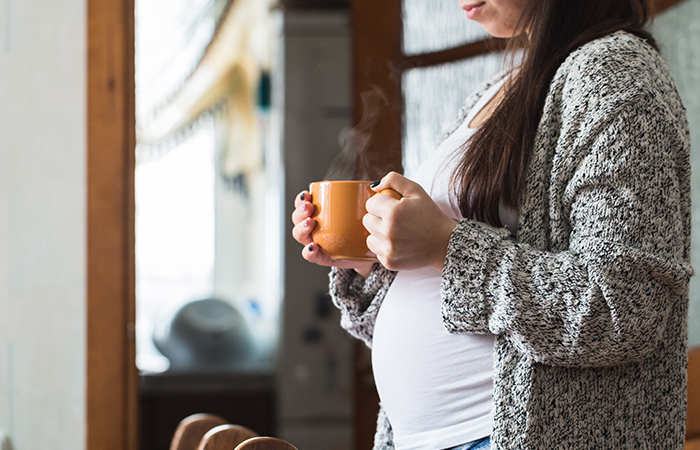
– عبور الكافيين للمشيمة: إن أحد المخاوِف الرئيسية المُتعلِّقة باستهلاك الكافيين أثناء الحمل هو أن الكافيين يُمكِن أن يعبُر المشيمة ويصل إلى الجنين في طور النُّمو، الذي لديه قُدرة محدودة على استقلاب الكافيين، مما يُؤدّي إلى مخاطر مُحتمَلة.


– خطر الإجهاض: أشارت بعض الدراسات إلى وجود صِلة مُحتمَلة بين تناول كمّيات كبيرة من الكافيين أثناء الحمل وزيادة خطر الإجهاض، خاصة في المراحِل المُبكِّرة من الحمل.

– الوِلادة المُبكِّرة: ارتبط ارتفاع استهلاك الكافيين أثناء الحمل أيضاً بزيادة خطر الولادة المُبكِّرة.

– انخفاض وزن الطفل عند الولادة: قد يُساهِم الإفراط في تناول الكافيين في انخفاض وزن الطفل عند الولادة، مما قد يكون له آثار صحية طويلة المدى على الطفل.

– مشاكِل النُّمو: هُناك بعض الأدلة التي تُشير إلى أن الإفراط في تناول الكافيين أثناء الحمل قد يُؤثّر على نُمو دماغ الجنين.

نظراً لهذه المخاطر المُحتملة، توصي العديد من المُنظّمات الصحية بالحد من تناول الكافيين أثناء الحمل، كما تنصح الكلية الأمريكية لأطباء التوليد وأمراض النساء (ACOG) الحوامِل باستهلاك أقل من 200 ملغ من الكافيين يومياً، وهو ما يُعادِل تقريباً فنجاناً واحداً من القهوة سعة 12 أونصة.


أضرار تناول الكافيين خلال الرضاعة الطبيعية

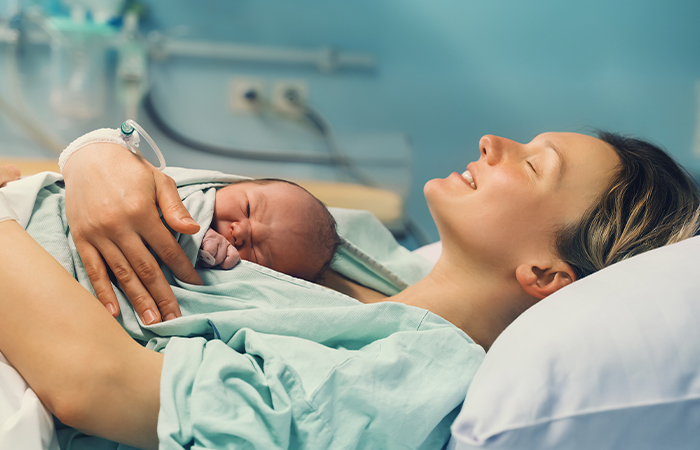
– انتقال الكافيين إلى حليب الأم: كما هو الحال أثناء الحمل، يُمكِن أن ينتقل الكافيين إلى حليب الأم، وهذا يعني أن ما تستهلكه الأم يُمكِن أن يُؤثّر على الطفل من خلال حليب الأم.

– حساسية الرُّضّع للكافيين: قد يكون بعض الرُّضّع أكثر حساسية للكافيين من غيرهم، لذا يُمكِن لتناول الكافيين من قبل الأم المُرضِعة أن يؤدي إلى أعراض مثل التهيُّج، وقلّة النوم، والانزعاج الهضمي لدى الطفل.

– استقلاب الكافيين: يتمتّع الأطفال حديثي الولادة والرُّضّع الصّغار بقُدرة محدودة على استقلاب الكافيين، مما قد يُؤدّي إلى إطالة الفترة التي يستغرقها الطفل للوصول إلى التطور الكلامي وربما زيادة الحساسية.

لتقليل المخاطِر المُحتمَلة وضمان صحة الأم والطفل، تُنصح الأمهات المُرضِعات بالتخفيف من تناول الكافيين. وعلى الرغم من عدم وجود نصيحة واحدة تُناسِب الجميع، يُشير العديد من الخُبراء إلى أن تحديد مدخول الكافيين إلى حوالي 200 إلى 300 ملغ يومياً (أي ما يُعادِل كوباً أو كوبين من القهوة سعة 8 أونصات) يُعتبر آمناً بشكل عام لمُعظَم الأمّهات المُرضِعات.


نصائح عملية للحد من تناول الكافيين أثناء الحمل والرّضاعة الطبيعية

– مُراقبة تناول الكافيين: يجب الانتباه إلى محُتوى الكافيين الموجود في المشروبات والمُنتجات الغذائية، بما في ذلك القهوة والشاي والمشروبات الغازية ومشروبات الطاقة والشوكولاتة، تعرفي على أحجام الجرعات ومُحتوى الكافيين في جميع المُنتجات لاتخاذ خيارات واعية.

– حافظي على رطوبة جسمك: اختاري المشروبات الخالية من الكافيين أو مُنخفضة الكافيين مثل شاي الأعشاب والماء والقهوة منزوعة الكافيين للحفاظ على ترطيبك أثناء الحمل والرضاعة الطبيعية.

– الحد من مشروبات الطاقة: يُمكِن أن تحتوي مشروبات الطاقة على مُستويات عالية جداً من الكافيين والمُنشِّطات الأخرى، ومن الأفضل تجنُّبها تماماً أثناء الحمل والرضاعة الطبيعية.

– انتبه للكافيين المَخفي: تحتوي بعض الأدوية المُتاحة دون وصفة طبية، بما في ذلك مُسكِّنات الألم وعلاجات البرد على الكافيين، لذا كوني حذِرة واستشيري أخصّائي الرعاية الصحية قبل تناول هذه المُنتجات.

– استمعي إلى جسمِك: انتبهي إلى كيفية تأثير الكافيين على جسمكِ، إذا لاحظتِ آثاراً عكسية أو علامات حساسية للكافيين لدى طفلك (مثل الانزعاج وقلة النوم)، ففكري في تقليل تناول الكافيين بشكل أكبر.

– تحدثي إلى أخصّائي الرعاية الصحية الخاص بك: من الضروري مُناقَشة استهلاك الكافيين مع مُقدّم الرعاية الصحية أثناء الحمل والرضاعة الطبيعية، حيث يُكمِنه تقديم إرشادات شخصية بناءً على ظُروفكِ وصحتكِ المُحدّدة.


الخُلاصة

ينبغي الحَذَر عند تناول الكافيين أثناء الحمل والرضاعة. في حين أن تناول الكافيين باعتدال يُعتبر آمناً بشكل عام، فإن الاستهلاك المُفرط يُمكِن أن يُشكِّل مخاطر على كل من الجنين في طور النُّمو والرّضيع الذي يرضع من أمه. إن مراقبة كمية الكافيين التي تتناولينها، والبقاء ضمن الحدود الموصى بها، والوعي بالمصادر المُحتمَلة للكافيين في نظامك الغذائي، يُمكِن أن يُساعِد في ضمان تجربة حمل وإرضاع صحية وآمنة. استشيري أخصّائي الرعاية الصحية الخاص بك للحُصول على إرشادات خاصة بك وفقاً لاحتياجاتكِ وظُروفكِ الفردية.

Leave a Reply

Your email address will not be published. Required fields are marked *

Women's Only

Caffeine During Pregnancy and Breastfeeding

Introduction

Caffeine is a widely consumed stimulant found in coffee, tea, soft drinks, energy drinks, and various other products. Its stimulating effects on the central nervous system make it a popular choice for those looking to boost alertness and combat fatigue. However, when it comes to pregnancy and breastfeeding, the impact of caffeine on both the mother and the baby requires careful consideration. In this article, we will explore the effects of caffeine during pregnancy and breastfeeding, recommended limits, and practical tips for managing caffeine intake during these crucial periods.


Caffeine During Pregnancy

– Crossing the Placenta: One of the key concerns with caffeine consumption during pregnancy is that caffeine can cross the placenta and reach the developing fetus. The developing fetus has a limited ability to metabolize caffeine, leading to potential risks.

– Miscarriage Risk: Some studies have suggested a potential link between high caffeine intake during pregnancy and an increased risk of miscarriage, particularly in the early stages of pregnancy.

– Preterm Birth: High caffeine consumption during pregnancy has also been associated with an increased risk of preterm birth.

– Low Birth Weight: Excessive caffeine intake may contribute to lower birth weight, which can have long-term health implications for the baby.

– Developmental Issues: There is some evidence to suggest that excessive caffeine intake during pregnancy may impact fetal brain development.

– Given these potential risks, many health organizations recommend limiting caffeine intake during pregnancy. The American College of Obstetricians and Gynecologists (ACOG) advises pregnant individuals to consume less than 200 milligrams of caffeine per day, which is roughly equivalent to one 12-ounce cup of coffee.

Caffeine During Breastfeeding

Transfer to Breast Milk: Like during pregnancy, caffeine can pass into breast milk. This means that what the mother consumes can affect the baby through breast milk.

– Infant Sensitivity: Some infants may be more sensitive to caffeine than others. Caffeine intake by the breastfeeding mother can lead to symptoms such as irritability, poor sleep, and gastrointestinal discomfort in the baby.

– Caffeine Metabolism: Newborns and young infants have a limited ability to metabolize caffeine, which can result in a longer half-life and potentially increased sensitivity.

– To minimize potential risks and ensure the well-being of both mother and baby, it’s advisable for breastfeeding mothers to moderate their caffeine intake. While there is no one-size-fits-all recommendation, many experts suggest that limiting caffeine to about 200 to 300 milligrams per day (the equivalent of one to two 8-ounce cups of coffee) is generally considered safe for most breastfeeding mothers.


Practical Tips for Managing Caffeine During Pregnancy and Breastfeeding

– Monitor Caffeine Intake: Pay attention to the caffeine content of beverages and food products, including coffee, tea, soft drinks, energy drinks, and chocolate. Familiarize yourself with serving sizes and caffeine content to make informed choices.

– Stay Hydrated: Opt for caffeine-free or low-caffeine beverages like herbal tea, water, and decaffeinated coffee to stay hydrated during pregnancy and breastfeeding.

– Limit Energy Drinks: Energy drinks can contain very high levels of caffeine and other stimulants. It’s best to avoid them altogether during pregnancy and breastfeeding.

– Watch for Hidden Caffeine: Some over-the-counter medications, including pain relievers and cold remedies, contain caffeine. Be cautious and consult with a healthcare provider before using such products.

– Listen to Your Body: Pay attention to how caffeine affects your body. If you notice adverse effects or signs of caffeine sensitivity in your baby (e.g., fussiness, poor sleep), consider reducing your caffeine intake further.

– Talk to Your Healthcare Provider: It’s essential to discuss your caffeine consumption with your healthcare provider during pregnancy and breastfeeding. They can provide personalized guidance based on your specific circumstances and health.


Conclusion

Caffeine consumption during pregnancy and breastfeeding should be approached with caution. While moderate caffeine intake is generally considered safe, excessive consumption can pose risks to both the developing fetus and the breastfeeding infant. Monitoring your caffeine intake, staying within recommended limits, and being aware of potential sources of caffeine in your diet can help ensure a healthy and safe pregnancy and breastfeeding experience. Always consult with your healthcare provider for guidance tailored to your individual needs and circumstances.

Leave a Reply

Your email address will not be published. Required fields are marked *

Back to top button