التغذية

الفيتامينات والمعادن التي تُعزّز صحة الدّماغ – تغذية عقلك ليُصبح أكثر ذكاءً

مُقدمة

إن الدّماغ هو العضو الأكثر أهمّية في جسمك، وهو المسؤول عن التحكُّم في كل فكرة وحركة وإحساس، وهو مركز قوة يتطلّب الوقود المُناسِب ليعمل بالشكل الأمثل، تماماً كما تعمل السيارة التي تتم صيانتها جيداً وإمدادها بوقود عالي الجودة بسلاسة، ينمو دماغك عندما يتغذّى بالفيتامينات والمعادن الأساسية. في هذه المقالة، سنكتشِف الفيتامينات والمعادن الحيوية التي تلعب دوراً هاماً في تعزيز صحة الدّماغ.


الفيتامينات والمعادن التي تلعب دوراً هاماً في تعزيز صحة الدّماغ

مُركّب فيتامينات ب

إن فيتامينات ب هي مجموعة من ثمانية فيتامينات قابلة للذّوبان في الماء، ولكل منها دور فريد خاص به في وظائف الدّماغ كما يلي:

– فيتامين ب1 (الثيامين): يُساعد الثيامين على تحويل الجلوكوز إلى طاقة، وهو أمر ضروري حتى تعمل خلايا الدّماغ على النحو الأمثل، ويُمكِن أن يُؤدّي نقص الثيامين إلى مشاكل في الذاكرة والتدهور الإدراكي.

– فيتامين ب2 (ريبوفلافين): يدعم الريبوفلافين إنتاج مُضادّات الأكسدة التي تحمي خلايا الدّماغ من الإجهاد التأكسدي، كما أنه يُشارك في إنتاج الطاقة.

– فيتامين ب3 (النياسين): يدعم النياسين صحة الدّماغ بشكل عام عن طريق تحسين تدفق الدم، وتقليل الالتهاب، والمُساعدة في إصلاح الحمض النووي داخل خلايا الدّماغ.

– فيتامين ب5 (حمض البانتوثنيك): حمض البانتوثنيك ضروري لتخليق الأسيتيل كولين، وهو ناقل عصبي مُرتبط بالذاكرة والتعلُّم.

– فيتامين ب6 (البيريدوكسين): يُساعِد البيريدوكسين في إنتاج السيروتونين والدوبامين، وهما ناقلان عصبيان يلعبان دوراً مُهِماً في تنظيم المزاج وتعزيز الوظيفة الإدراكية.

– فيامين ب7 (البيوتين): يُشارك البيوتين في استقلاب الطاقة ويدعم وظيفة الدّماغ الصحية بشكل غير مباشر عن طريق ضمان حصول الجسم على الطاقة التي يحتاجها.

– فيتامين ب9 (حمض الفوليك): إن حمض الفوليك ضروري لتخليق الحمض النووي وإصلاحه في الدّماغ، كما يلعب دوراً هاماً في إنتاج الناقلات العصبية.

– فيتامين ب12 (كوبالامين): إن فيتامين ب12 ضروري لتكوين المايلين، وهي طبقة واقية تُحيط بالألياف العصبية، كما أنه يُساعد في الحفاظ على خلايا الدّماغ السليمة والوظيفة الإدراكية.

فيتامين د

– يُعرف فيتامين د باسم “فيتامين أشعة الشمس” لأن الجلد يُمكِن أن يُنتِجه عند التعرُّض لأشعة الشمس، كما يلعب دوراً حيوياً في صحة الدّماغ من خلال ما يلي:

– يدعم إنتاج الناقلات العصبية: توجد مستقبلات فيتامين د في جميع أنحاء الدّماغ، مما يدُل على أهميته في تنظيم الناقلات العصبية مثل السيروتونين الضروري لتنظيم المزاج.

– يُقلّل من الالتهاب: يُمكِن أن يُساعِد الحفاظ على مُستويات فيتامين د الكافية في تقليل الالتهاب في الدّماغ، والذي يرتبط بالتدهور الإدراكي.

– يحمي الأعصاب: قد يحمي فيتامين د خلايا الدّماغ من التّلف ويُعزِّز إنتاج عوامل التغذية العصبية، التي تدعم بقاء الخلايا العصبية ونموها.

أحماض أوميغا -3 الدُّهنية 

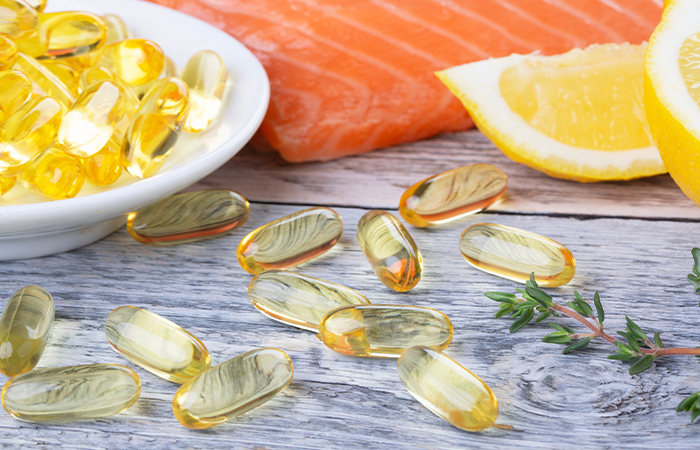
بالرغم من أنها ليست فيتامينات أو معادن، إلا أن أحماض أوميغا 3 الدهنية، وخاصةEPA  (حمض الإيكوسابنتاينويك) وحمض DHA (حمض الدوكوساهيكسانويك) الضرورية لصحة الدماغ، وتوجد هذه الأحماض في الأسماك الدُّهنية مثل السّلمون والجوز وبذور الكِتّان، وهي مُفيدة لصحة الدّماغ بالطُّرُق التالية:

– دعم بُنية الدماغ: يعد DHA (حمض الدوكوساهيكسانويك) على وجه الخصوص، مُكوناً رئيسياً في أغشية خلايا الدماغ، وهو ضروري للحفاظ على وظيفة الدماغ المُثلى.

– تقليل الالتهاب: تتمتّع أحماض أوميغا 3 بخصائص مُضادّة للالتهابات، والتي يُمكِن أن تحمي خلايا الدماغ من التّلف.

– تعزيز مُرونة الدّماغ: تعمل هذه الأحماض الدُّهنية على تعزيز اللُّدونة التشابُكيّة، وهو أمر بالغ الأهمية للتعلُّم وقوة الذّاكرة.

فيتامين هـ

يُعد فيتامين هـ أحد مُضادّات الأكسدة القوية التي تُساعِد على حماية خلايا الدماغ من الأضرار التأكسُدية، وهو أمر مهم بشكل خاص مع تقدمنا في السّن، حيث أن الإجهاد التأكسُدي يُساهِم بشكل كبير في التدهور الإدراكي والأمراض التنكُّسية العصبية، وتُعتبر المُكسّرات والبُذور والخضروات الورقية مصادر مُمتازة لفيتامين هـ.

المغنيسيوم

المغنيسيوم هو معدن أساسي يدعم صحة الدّماغ بعدة طُرُق، نذكُر منها:

– تنظيم الناقلات العصبية: يُساعِد المغنيسيوم على تنظيم الناقلات العصبية مثل السيروتونين، والتي يُمكِن أن يكون لها تأثير عميق على الحالة المزاجية والوظيفة الإدراكية.

– تقليل التوتر: لهذا المعدن تأثير مهدئ على الدّماغ، مما يُساعِد على تقليل التوتُّر والقلق، مما قد يُضعف الوظيفة الإدراكية.

– تعزيز جودة النوم: يُمكِن للمغنيسيوم أن يُحسّن نوعية النوم، مما يسمح للدّماغ بالراحة والتّعافي بشكل أكثر فعالية.

الحديد

إن الحديد ضروري للحِفاظ على وظيفة الدّماغ الصحية لأنه يحمل الأكسجين إلى خلايا الدماغ، وبدون كمية كافية من الحديد، لا يُمكِن للدّماغ أن يَعمل على النّحو الأمثل، مما يُؤدّي إلى ظهور أعراض مثل التّعب وضعف التّركيز، وتُعتبر اللُّحوم الخالية من الدُّهون والفاصوليا والخضروات الورقية مصادر مُمتازة للحديد.

الزّنك

إن الزّنك معدن أساسي آخر يلعب دوراً في تعزيز صحة الدماغ من خلال ما يلي:

– دعم الناقلات العصبية: يُشارِك الزّنك في إنتاج وتنظيم الناقلات العصبية، بما في ذلك الدوبامين والسيروتونين.

– تعزيز الذّاكرة والتعلُّم: إن الزّنك ضروري لتكوين ذاكرة طويلة الأمد وتحسين الوظيفة الإدراكية.


الخُلاصة

إن دماغك عضو مُذهِل، ويتطلّب إمداده بكميات مُتوازنة من الفيتامينات والمعادن الأساسية ليعمل في أفضل حالاته. يُمكِن أن يُساعِد اتّباع نظام غذائي غني بفيتامينات ب وفيتامين د وأحماض أوميغا 3 الدُّهنية وفيتامين هـ والمغنيسيوم والحديد والزّنك على دعم صحة الدّماغ وتقليل خطر التدهور الإدراكي. لذلك، قُم بتغذية دماغك بالعناصر الغذائية الصحيحة، لتصل إلى إلى دماغ أكثر صحة وذكاء.

Leave a Reply

Your email address will not be published. Required fields are marked *

Nutrition

Vitamins and Minerals That Boost Brain Health

Introduction

Your brain is your body’s most essential organ, responsible for controlling every thought, movement, and sensation. It’s a powerhouse that requires the right fuel to function at its best. Just like a well-maintained car runs smoothly with high-quality fuel, your brain thrives when nourished with essential vitamins and minerals. In this article, we’ll explore the vital vitamins and minerals that play a crucial role in boosting brain health.


Essential Vitamins and Minerals for Brain Health

Vitamin B Complex

The B-vitamins are a group of eight water-soluble vitamins, each with its own unique role in brain function:

– B1 (Thiamine): Thiamine helps convert glucose into energy, which is essential for brain cells to function optimally. A deficiency in thiamine can lead to memory problems and cognitive decline.

– B2 (Riboflavin): Riboflavin supports the production of antioxidants that protect brain cells from oxidative stress. It’s also involved in energy production.

– B3 (Niacin): Niacin supports overall brain health by improving blood flow, reducing inflammation, and aiding in DNA repair within brain cells.

– B5 (Pantothenic Acid): Pantothenic acid is crucial for the synthesis of acetylcholine, a neurotransmitter associated with memory and learning.

– B6 (Pyridoxine): Pyridoxine helps in the production of serotonin and dopamine, two neurotransmitters that play a significant role in mood regulation and cognitive function.

– B7 (Biotin): Biotin is involved in energy metabolism and supports healthy brain function indirectly by ensuring the body has the energy it needs.

– B9 (Folate): Folate is essential for DNA synthesis and repair in the brain. It also plays a critical role in the production of neurotransmitters.

– B12 (Cobalamin): B12 is crucial for the formation of myelin, a protective layer around nerve fibers. It also helps maintain healthy brain cells and cognitive function.

Vitamin D

Vitamin D is known as the “sunshine vitamin” because your skin can produce it when exposed to sunlight. It plays a vital role in brain health by:

– Supporting Neurotransmitter Production: Vitamin D receptors are found throughout the brain, indicating its importance in regulating neurotransmitters like serotonin, which is essential for mood regulation.

– Reducing Inflammation: Adequate vitamin D levels can help reduce inflammation in the brain, which is associated with cognitive decline.

– Neuroprotection: Vitamin D may protect brain cells from damage and promote the production of neurotrophic factors, which support neuron survival and growth.

Omega-3 Fatty Acids

While not a vitamin or mineral, omega-3 fatty acids, particularly EPA (eicosapentaenoic acid) and DHA (docosahexaenoic acid), are essential for brain health. These fatty acids are found in fatty fish like salmon, walnuts, and flaxseeds. They benefit brain health by:

– Supporting Brain Structure: DHA, in particular, is a major component of brain cell membranes, essential for optimal brain function.

– Reducing Inflammation: Omega-3s have anti-inflammatory properties, which can protect brain cells from damage.

– Enhancing Brain Plasticity: These fatty acids promote synaptic plasticity, which is crucial for learning and memory.

Vitamin E

Vitamin E is a powerful antioxidant that helps protect brain cells from oxidative damage. It’s particularly important as we age, as oxidative stress is a significant contributor to cognitive decline and neurodegenerative diseases. Nuts, seeds, and leafy greens are excellent sources of vitamin E.

Magnesium

Magnesium is an essential mineral that supports brain health in several ways:

– Regulating Neurotransmitters: Magnesium helps regulate neurotransmitters like serotonin, which can have a profound impact on mood and cognitive function.

– Reducing Stress: This mineral has a calming effect on the brain, helping to reduce stress and anxiety, which can impair cognitive function.

– Enhancing Sleep Quality: Magnesium can improve sleep quality, allowing the brain to rest and recover more effectively.

Iron

Iron is vital for maintaining healthy brain function because it carries oxygen to brain cells. Without sufficient iron, the brain can’t function optimally, leading to symptoms like fatigue and poor concentration. Lean meats, beans, and leafy greens are excellent sources of iron.

Zinc

Zinc is another essential mineral that plays a role in brain health by:

– Supporting Neurotransmitters: Zinc is involved in the production and regulation of neurotransmitters, including dopamine and serotonin.

– Enhancing Memory and Learning: It’s crucial for the formation of long-term memories and cognitive function.


Conclusion

Your brain is a remarkable organ, and it requires a balanced supply of essential vitamins and minerals to function at its best. A diet rich in B-vitamins, vitamin D, omega-3 fatty acids, vitamin E, magnesium, iron, and zinc can help support brain health and reduce the risk of cognitive decline. So, nourish your mind with the right nutrients, and you’ll be on your way to a sharper, healthier you.

Leave a Reply

Your email address will not be published. Required fields are marked *

Back to top button